

6 Black Disabled Individuals You Should Know About
Because Black History Is Black Disabled History Too

Hey guys,
Happy Black History Month!! I still can’t believe it’s already the end of February — time really does fly like the wind.
Black History Month is a time to celebrate strength, resilience, and the fight for justice. But too often, the stories of Black disabled individuals are left out of history. Disability has always been part of the Black experience, yet Black disabled leaders are often overlooked in both Black history and disability history. The truth is that Black history is Black disabled history, and the disability rights movement would not be where it is today without the contributions of Black disabled activists, artists, and advocates.
Today, I want to highlight six Black disabled individuals who changed the narrative of disability and helped expand freedom, accessibility, and opportunity for everyone. These incredible and talented individuals refused to accept the limitations society placed on them. They challenged injustice, fought for inclusion, and made sure future generations would have stronger voices and better opportunities.
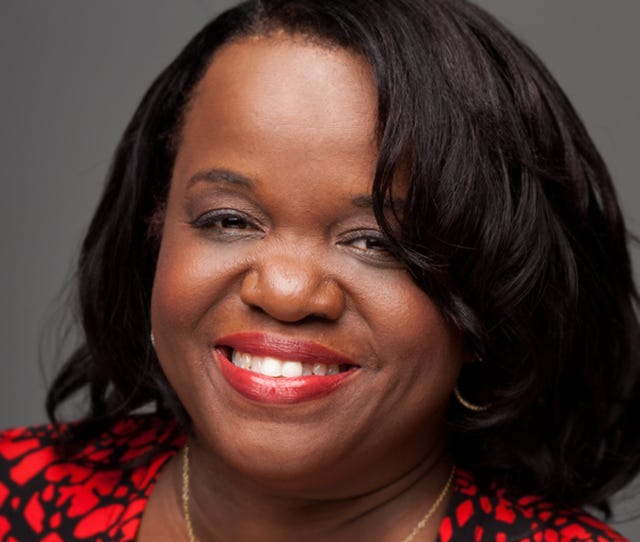
Kathy D. Woods
Kathy D. Woods is a fashion designer and advocate who created a clothing line specifically for little people. As a little person herself, she understands the challenges of finding clothing that fits properly and reflects personal style. She became one of the first African American designers to create a clothing line for little people, helping bring attention to the importance of inclusive fashion.
Kathy D. Woods faced many hardships and challenges along the way. People told her she could not model and doubted her abilities, but she refused to let those barriers stop her from pursuing her dreams. Instead of accepting rejection, she created opportunities for herself and for others.
In 2014, she founded the Kathy Woods Collection, a clothing line designed with little people in mind. Her customers appreciated her work because they finally had clothing designed specifically for their bodies instead of having to alter standard sizes. Her designs allowed people to express themselves through fashion in ways that had not always been possible before.
Although she faced challenges with her business, Kathy D. Woods continued moving forward with determination. She has been invited to the White House twice — once for an anniversary celebration and once as an awardee for innovation. She also served on an inclusion panel about inclusive design alongside representatives from major companies such as Tommy Hilfiger.
Kathy D. Woods reminds us that fashion is for everyone and that inclusive design recognizes the full humanity of people living at multiple intersections of identity.
Brad Lomax
Brad Lomax was a member of the Black Panther Party and a disability rights activist who played a significant role in connecting the racial justice movement with the disability rights movement.
Lomax had multiple sclerosis, which he was diagnosed with as a teenager. Despite his diagnosis, he remained deeply involved in activism. He founded the Washington, D.C. chapter of the Black Panther Party and organized the first African Liberation Day demonstration in 1972.
After moving to Oakland, Lomax experienced firsthand how inaccessible society was. Public buildings, transportation, and everyday spaces often excluded disabled people. Instead of accepting these barriers, he organized to challenge them.
Brad Lomax participated in disability rights protests and helped bring attention to the importance of accessibility. He also helped build relationships between disability activists and the Black Panther Party, showing that civil rights and disability rights are deeply connected struggles.
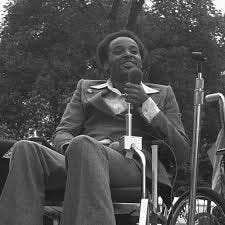
During the 504 Sit-ins, disability activists occupied a federal building in San Francisco to demand enforcement of Section 504 of the Rehabilitation Act. Lomax contacted the Black Panthers when protesters needed food and supplies. The Black Panthers stepped in and provided meals and support for the activists inside the building, helping sustain one of the longest nonviolent protests for disability rights in U.S. history.
His advocacy helped build momentum for disability rights legislation and contributed to the broader movement that eventually led to the passage of the Americans with Disabilities Act. Brad Lomax’s work showed that accessibility is not a special privilege — it is a basic civil right.
Vilissa Thompson
Vilissa Thompson is a writer, speaker, and disability justice advocate and the founder of Ramp Your Voice!, a platform dedicated to amplifying the voices of Black disabled women.
Thompson has worked tirelessly to challenge stereotypes about disability and race. She has spoken about the unique challenges Black disabled women face, including healthcare disparities, discrimination, and lack of representation in media and policy discussions.
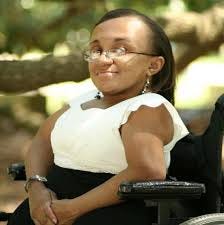
She proudly embraces the identity “Black Disabled Woman,” encouraging others to see it as a source of strength and pride rather than limitation. She has been featured on its Black History Now 2019 series and its “Woke 100 Women” 2018 list. She spoke about her entrepreneurship and advocacy on Forbes. She has been featured on MTV, the NY Times, and Black Women Radicals, and many others. She is a speaker for CCMNT Speakers and a co-host of the podcast, Wheelin’ and Dealin,’ which discusses politics from an intersectional lens. She was also a consultant to Sen. Elizabeth Warren's 2020 Presidential campaign and helped develop the Disability & Equality policy plan.
She created the hashtag #DisabilityTooWhite in 2016, which addresses how a lack of representation can make disabled people of color feel excluded in the community. Her work has helped people better understand the importance of intersectionality and the need to include black disabled people’s and disabled people of color’s voices in conversations about social change.
Through writing, public speaking, and advocacy, Vilissa Thompson continues to empower others to share their stories and demand recognition.
Lauren “Lolo” Spencer
Lauren “Lolo” Spencer is an actress, life influencer, and disability advocate who is helping change the way disabled people are represented in the media. She was diagnosed with amyotrophic lateral sclerosis, also known as ALS or Lou Gehrig’s disease when she was a teenager.
As a wheelchair user, she has challenged the entertainment industry’s long history of excluding disabled actors or portraying them in stereotypical ways. She has appeared in television shows such as The Sex Lives of College Girls and NCIS: Los Angeles, as well as films including Give Me Liberty.
She also co-hosts a podcast with Jillian Mercado called We’ve Been Like This, where they discuss disability, identity, and representation. She is also the author of “Access Your Drive & Enjoy the Ride.”
Her work shows that disabled people deserve to be represented as full and complex individuals, not stereotypes or inspirational symbols.
By appearing on television and speaking openly about disability, Lolo Spencer is helping normalize disability and break down harmful stereotypes. Her visibility shows young disabled people that their dreams are possible and that their stories matter.
Representation matters, and Lolo Spencer’s work is helping create a future where disabled people are not invisible in the media.
Anita Cameron
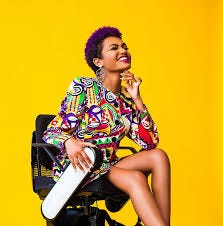
Anita Cameron is a longtime disability rights activist and leader in the national disability rights organization ADAPT. She has spent decades fighting for the rights of disabled people to live independently and receive the support they need in their communities. Anita Cameron is blind, and her lived experience has shaped her lifelong commitment to disability justice and equality. She was diagnosed with Autism when she became an adult.
She is also known for participating in major disability rights demonstrations, including the historic Capitol Crawl, where activists physically climbed the steps of the U.S. Capitol to demonstrate the urgent need for accessibility and disability rights legislation. She has been advocating ever since! Actions like these helped raise national awareness about the barriers disabled people faced every day.
Her advocacy focuses on ending institutionalization and ensuring disabled people have access to community-based services, which allow them to live with dignity and independence.
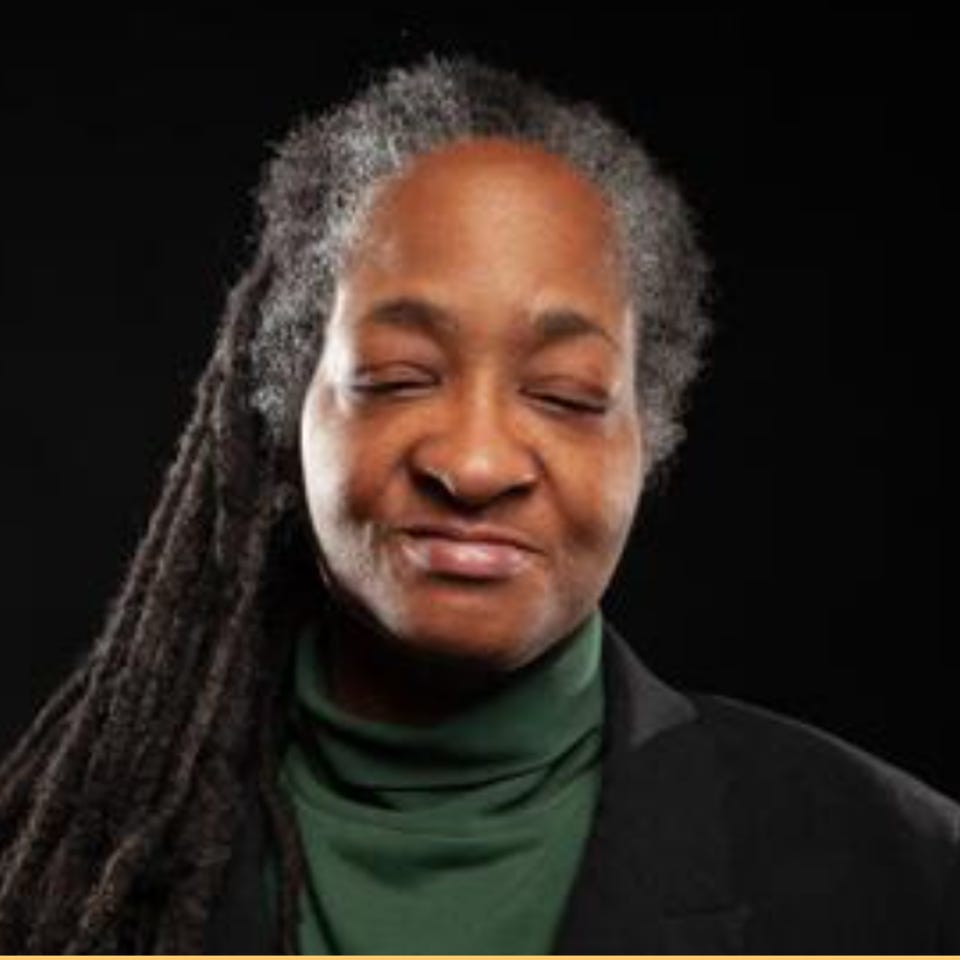
As a Black disabled woman, Anita Cameron has spoken about the ways racism and ableism intersect, particularly in healthcare and social services. She has participated in protests and direct-action campaigns that have helped protect programs that disabled people rely on, including Medicaid and personal care services.
Her activism shows that disability rights require constant advocacy and that meaningful change often comes through collective action and persistence.
Leroy F. Moore Jr.
Leroy F. Moore Jr. is a poet, activist, and founder of Krip-Hop Nation, a global movement that highlights disabled artists of color, particularly within hip-hop and spoken word communities. He has cerebral palsy.
Through poetry, music, and education, Leroy F. Moore Jr. has challenged ableism, racism, and social injustice. He has written many books, including Black Disabled Ancestors (2020), the graphic novel Krip-Hop Vol. 1 (2019), the children’s book Black Disabled Art History 101 (2017) and many more. His work focuses on telling stories that are often ignored and creating platforms where disabled artists can share their voices and experiences.
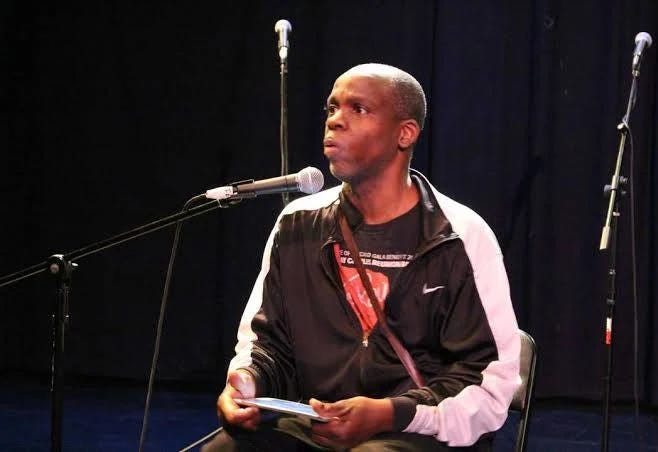
Krip-Hop Nation has helped bring attention to the creativity and leadership of disabled people around the world. Moore’s work demonstrates that disability culture is vibrant, artistic, and powerful.
His activism reminds us that art can be a form of resistance and that storytelling is an important part of social change.
Why This Matters
These six individuals remind us that:
Black history is Black disabled history
Disability justice cannot exist without racial justice
Black disabled individuals have always been leaders and changemakers
Representation and accessibility are essential for freedom
As a Black disabled person, learning about these leaders reminds me that we can achieve our dreams and make a difference in the world. Their stories show me that disability does not define our limits — it strengthens our determination.
For everyone, these activists show us the importance of following our aspirations despite challenges or people telling us that we can’t succeed. Their lives prove that barriers can be broken and that change is possible when we believe in ourselves and continue pushing forward.
Black disabled people have always fought for justice, inclusion, and dignity to ensure that black disabled people’s and disabled people of color’s voices are heard as well. Their work continues to inspire new generations to advocate for accessibility, equality, and dignity.
By learning about these leaders, we continue their legacy and help ensure that Black disabled voices are never forgotten. ✊🏾♿
Love, Enable Everything
Sources
https://www.vilissathompson.com/about
https://relayresources.org/blog/spotlighting-black-disabled-leaders-anita-cameron#:~:text=Cameron%2C%20who%20is%20blind%2C%20became,accessible%2C%20among%20other%20disability%20rights.
https://www.poetryfoundation.org/poets/leroy-f-moore
https://www.forbes.com/sites/samanthaharrington/2018/02/27/how-kathy-woods-made-room-in-fashion-for-herself-and-other-little-people/
https://www.lolospencer.com/
http://linkedin.com/feed/update/urn:li:activity:7430778689103187968/